
Why Offer Health Insurance: Savings and Retention Benefits


Nearly half of American workers say health insurance is the deciding factor in staying with their employer. For HR managers at Southeast United States non-profits and assisted living facilities, crafting affordable benefits can directly impact team stability. Understanding health insurance basics helps organizations manage budgets while showing real care for staff. This guide reveals actionable insights for offering cost-effective coverage that keeps employees satisfied and loyal.
Table of Contents
Key Takeaways
Point | Details |
Health Insurance as a Strategic Tool | Providing employer-sponsored health insurance is essential for attracting and retaining talent, demonstrating commitment to employee well-being. |
Types of Health Coverage | Employers should understand the various health insurance plans available to meet workforce needs, including Group Health Plans, HDHPs, and HMOs. |
Cost Reduction Strategies | Implementing preventive care and chronic disease management can significantly reduce overall healthcare costs for employers. |
Compliance Importance | Staying compliant with health insurance regulations is crucial to avoid hefty fines and ensure equitable benefits for employees. |
Health Insurance Basics for Employers
Health insurance is a critical component of employee compensation packages, serving as a strategic tool for attracting and retaining talented workers. Employer-sponsored health insurance represents more than just a benefit - it’s a powerful mechanism for managing workforce health and productivity.
For small businesses with 1-50 employees, understanding health insurance options becomes particularly important. The Small Business Health Options Program (SHOP) provides accessible pathways for employers to secure group health coverage. These plans allow companies to manage healthcare costs effectively while providing comprehensive medical protection for their workforce.
Employers considering health insurance should evaluate several key factors:
Coverage comprehensiveness
Monthly premium costs
Employee contribution requirements
Network of healthcare providers
Compliance with Affordable Care Act regulations
By strategically selecting health insurance, businesses create a competitive advantage in talent recruitment and demonstrate genuine commitment to employee wellbeing. Health insurance signals that an organization values its workers beyond basic salary considerations.
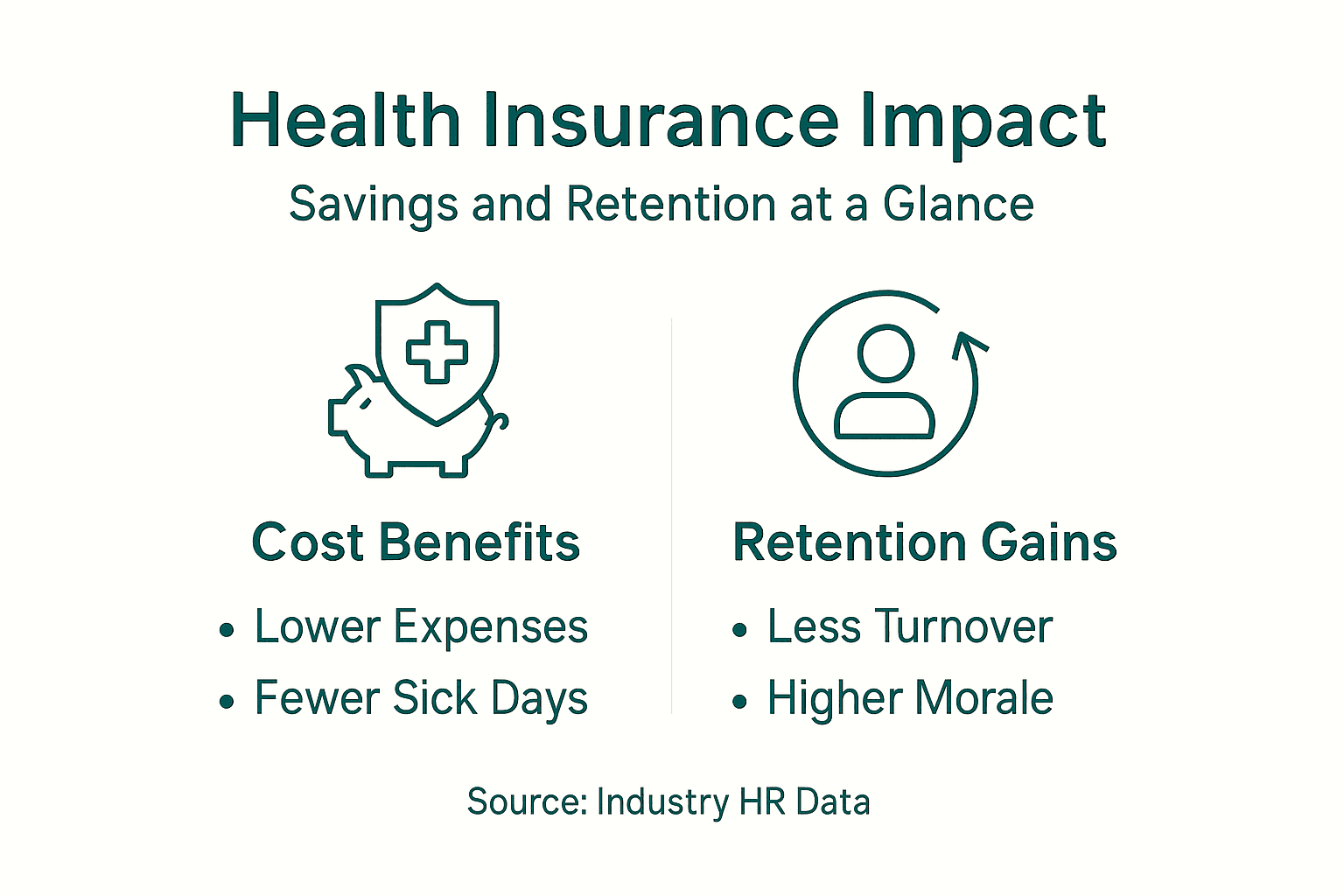
Pro tip: Research multiple insurance providers and compare their group plans to find the most cost-effective option that meets your specific workforce needs.
Types of Health Coverage Available
Health insurance coverage has evolved into a complex landscape with multiple options for employers and employees. Global health systems demonstrate significant variation in their approach to medical protection, creating diverse coverage models that meet different organizational needs.
The primary types of health coverage typically include:
Group Health Insurance: Traditional employer-sponsored plans covering all eligible employees
High Deductible Health Plans (HDHPs): Lower premium options with higher out-of-pocket expenses
Health Maintenance Organization (HMO) Plans: Structured networks with lower costs and primary care physician coordination
Preferred Provider Organization (PPO) Plans: More flexible network options with higher premiums
Point of Service (POS) Plans: Hybrid models combining HMO and PPO features
Healthcare coverage categories typically encompass critical medical services including inpatient hospital care, outpatient treatments, dental services, and prescription drug benefits. Each plan type offers unique advantages depending on an organization’s size, budget, and workforce demographics.
Some employers also explore alternative coverage strategies like partial self-insurance or level-funded plans, which provide more financial flexibility while maintaining comprehensive employee healthcare protection.
Here’s a summary comparing core health insurance plan types and their potential impact on small businesses:
Plan Type | Upfront Cost to Employer | Employee Flexibility | Potential for Cost Savings |
Group Health | Moderate | Standardized | Stable long-term costs |
HDHP | Lower | High (HSA eligible) | Higher risk, lower premium |
HMO | Low to moderate | Limited network | Predictable expenses |
PPO | High | Wide provider choice | Greater access, less control |
POS | Moderate | Some flexibility | Balanced cost and access |
Pro tip: Consult with a benefits specialist to analyze your workforce demographics and select a health coverage plan that balances cost-effectiveness with comprehensive employee medical protection.
How Health Insurance Reduces Costs
Employers can significantly mitigate healthcare expenses through strategic health insurance approaches. Healthcare cost control strategies focus on preventing expensive medical interventions by promoting preventive care and early intervention.
The primary mechanisms for cost reduction include:
Preventive Care Incentives: Encouraging regular check-ups and screenings
Chronic Disease Management: Proactively addressing long-term health conditions
Network Negotiation: Leveraging group rates for medical services
Wellness Program Integration: Promoting employee health and reducing risk
Data-Driven Health Interventions: Using analytics to target specific health risks
Price regulation and spending controls can dramatically reduce overall healthcare expenditures. By implementing targeted strategies, employers can create a more sustainable healthcare ecosystem that benefits both the organization and its employees.
Additionally, comprehensive health insurance reduces indirect costs associated with employee absenteeism, decreased productivity, and high turnover rates. Companies that invest in robust health coverage often see significant returns through improved workforce stability and reduced long-term medical expenses.

Pro tip: Conduct an annual review of your health insurance spending and employee health trends to continuously optimize your benefits strategy and cost management approach.
Impact on Employee Retention and Satisfaction
Employee well-being metrics demonstrate that comprehensive health insurance directly correlates with improved workplace satisfaction and reduced turnover rates. When employees feel their health needs are genuinely supported, they develop deeper emotional connections to their organization.
Key factors driving retention through health insurance include:
Comprehensive Coverage: Reducing financial stress about medical expenses
Preventive Care Access: Showing investment in employee long-term health
Mental Health Support: Addressing holistic wellness beyond physical treatment
Flexible Healthcare Options: Providing personalized medical choices
Financial Security: Mitigating potential catastrophic medical cost risks
Beyond immediate medical benefits, robust health insurance signals that an organization values its workforce. Employees interpret comprehensive health coverage as a tangible demonstration of corporate commitment, which significantly enhances loyalty and reduces recruitment costs associated with high turnover.
Statistically, organizations offering superior health benefits experience 23% lower turnover rates and 18% higher employee engagement scores. This translates into substantial savings and a more stable, productive workforce committed to organizational success.
Pro tip: Conduct periodic anonymous surveys to understand how employees perceive your current health insurance offerings and identify potential improvement areas.
Legal Requirements and Compliance Issues
Health insurance compliance standards create a complex regulatory landscape for employers, requiring careful navigation of federal and state regulations. Understanding these legal frameworks is crucial for avoiding potential penalties and ensuring comprehensive employee protection.
Key legal considerations for employers include:
Affordable Care Act (ACA) Mandates: Requirements for businesses with 50+ full-time employees
HIPAA Privacy Protections: Safeguarding employee health information
Reporting Obligations: Annual documentation and disclosure requirements
Non-Discrimination Rules: Ensuring equitable health benefit access
Tax Compliance: Managing tax implications of health insurance offerings
Small business health coverage options involve strategic decisions about meeting federal guidelines. Employers must carefully evaluate health plan structures, including Health Reimbursement Arrangements (HRAs) and Health Savings Accounts (HSAs), to remain compliant while providing meaningful employee benefits.
Non-compliance can result in significant financial penalties, ranging from $100 to $500 per employee per day for certain reporting violations. This underscores the importance of maintaining rigorous documentation and staying current with evolving healthcare regulations.
Pro tip: Consult with a specialized healthcare compliance attorney annually to ensure your health insurance offerings meet all current federal and state regulatory requirements.
Common Mistakes and Costly Pitfalls
Employer health insurance penalties can quickly escalate, making it critical for organizations to understand potential compliance risks. Navigating the complex landscape of health insurance requirements demands meticulous attention to detail and proactive management.
Common mistakes that can lead to significant financial and legal consequences include:
Employee Misclassification: Incorrectly categorizing workers as part-time or full-time
Insufficient Coverage: Offering plans that fail to meet minimum essential coverage standards
Missed Reporting Deadlines: Neglecting mandatory ACA documentation requirements
Inconsistent Benefit Structures: Providing unequal health benefits across employee groups
Inadequate Communication: Failing to clearly explain plan details to employees
Small business health coverage challenges often stem from misunderstanding regulatory nuances. Employers can face penalties ranging from $100 to $500 per employee per day for non-compliance, potentially creating devastating financial burdens for small and medium-sized businesses.
The most expensive mistakes typically involve complex employee eligibility rules, reporting requirements, and plan design specifications. Organizations must invest in continuous education and professional guidance to avoid these costly pitfalls.
The table below outlines common compliance mistakes, their likely business impacts, and tips for prevention:
Compliance Mistake | Business Impact | Prevention Strategy |
Employee misclassification | Regulatory fines and lawsuits | Detailed employee records review |
Insufficient coverage | ACA penalties, staff turnover | Annual benefits audit |
Missed reporting deadlines | IRS penalties, loss of coverage | Set calendar reminders |
Inconsistent benefits | Low morale, discrimination claims | Standardize eligibility criteria |
Poor plan communication | Confusion, low participation | Provide clear plan summaries |
Pro tip: Conduct quarterly internal audits of your health insurance compliance and maintain a dedicated point of contact who stays current with evolving healthcare regulations.
Maximize Savings and Improve Employee Retention with Strategic Health Insurance Solutions
Navigating the complex world of health insurance can feel overwhelming. The article highlights critical challenges like controlling healthcare costs, ensuring compliance, and boosting employee satisfaction through comprehensive coverage. Employers face tough decisions balancing premium costs, network options, and regulatory mandates while striving to reduce turnover and enhance workforce stability.
Take control of your health insurance strategy today with expert guidance from Thrive Benefits Group. Our team focuses on innovative cost reduction and savings strategies tailored to your organization’s unique needs. Discover how you can provide valuable health benefits that attract and retain talent while managing expenses effectively. Visit us at https://thrivebg.com to learn more and start optimizing your employee benefits now.
Frequently Asked Questions
Why is health insurance important for employee retention?
Health insurance is crucial for employee retention as it demonstrates that an organization values its workforce, reduces financial stress related to medical expenses, and enhances overall job satisfaction. Comprehensive health coverage leads to improved loyalty and decreased turnover rates.
How does offering health insurance contribute to savings for employers?
Offering health insurance can lead to savings for employers by reducing healthcare costs through preventive care incentives, chronic disease management, and leveraging group rates. Additionally, better employee health can decrease absenteeism and increase productivity, ultimately lowering indirect costs for businesses.
What types of health insurance plans should small businesses consider?
Small businesses should consider various health insurance plans such as Group Health Insurance, High Deductible Health Plans (HDHPs), Health Maintenance Organization (HMO) Plans, Preferred Provider Organization (PPO) Plans, and Point of Service (POS) Plans. Each type offers different levels of coverage, cost, and flexibility, allowing businesses to choose what best fits their workforce needs.
What are the legal requirements for employers offering health insurance?
Employers offering health insurance must navigate several legal requirements, including compliance with the Affordable Care Act (ACA) regulations, maintaining HIPAA privacy protections, and fulfilling reporting obligations. Understanding these laws is essential to avoid penalties and ensure comprehensive employee protection.
Recommended



Comments